
Prenatal Pilates Guide
January 26, 2026
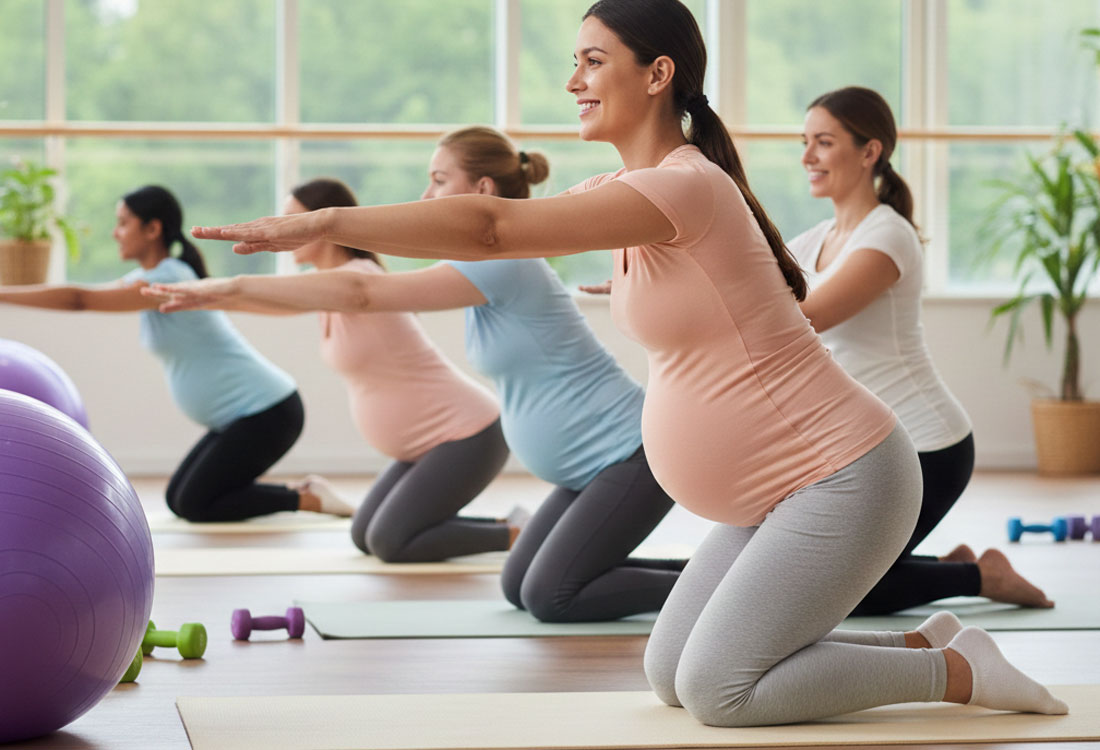
FOR A SAFE, HEALTHY AND BALANCED PREGNANCY
Prenatal Pilates is a specialized exercise program that aims to strengthen the mother-to-be's body, support good posture and prepare her physically for birth during pregnancy. Practiced with an expert and with the right techniques, it is safe and beneficial for both mother and baby.
Contents
- What Is Prenatal Pilates?
- Benefits of Prenatal Pilates
- When Can You Start Prenatal Pilates?
- Types of Prenatal Pilates
- Who Can Do Prenatal Pilates?
- Things to Keep in Mind When Doing Prenatal Pilates
- Sample Weekly Prenatal Pilates Program
- Equipment Used in Prenatal Pilates
What Is Prenatal Pilates?
Prenatal Pilates is a type of Pilates made up of low-tempo, controlled movements suited to pregnancy. The aim is to prepare the body for birth by strengthening the abdominal, back, lower back, hip and pelvic floor muscles, and to ease the lower back and back pain that is common during pregnancy.
Benefits of Prenatal Pilates
- Reduces lower back and back pain.
- Strengthens the pelvic floor muscles.
- Helps prevent posture problems.
- Improves breath control.
- Reduces swelling and muscle tension.
- Prepares you physically and mentally for birth.
- Makes postnatal recovery easier.
When Can You Start Prenatal Pilates?
With your doctor's approval, you can usually start prenatal Pilates after the 12th week of pregnancy. For mothers-to-be who have exercised before, the right time to start is decided individually by the doctor and the instructor.
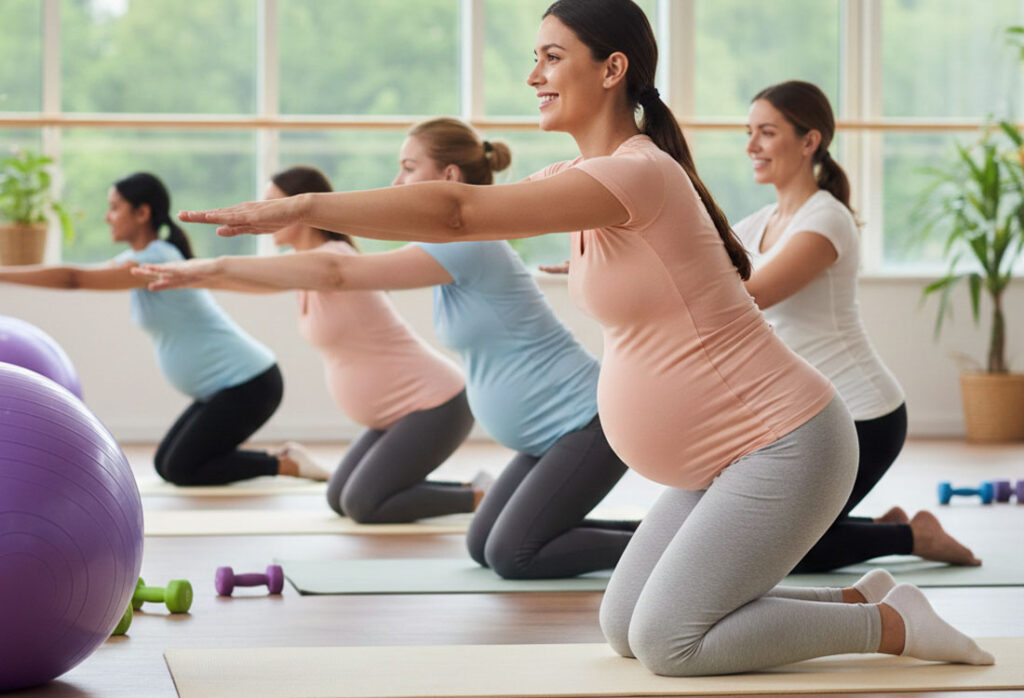
Types of Prenatal Pilates
- Mat Prenatal Pilates: Done on a mat, this is the most common and safest form of Pilates.
- Equipment-Based Prenatal Pilates: Involves controlled exercises done on supportive equipment such as the Reformer.
- Breath-Focused Pilates: Covers breathing and relaxation work to prepare for birth.
Who Can Do Prenatal Pilates?
- Mothers-to-be with a healthy pregnancy
- Those who have their doctor's approval to exercise
- Pregnant women with lower back, back or posture problems
- Those who want to prepare for birth in an informed way
Things to Keep in Mind When Doing Prenatal Pilates
- Always get your doctor's approval first.
- Work with an expert prenatal Pilates instructor.
- Avoid movements that put pressure on the abdomen.
- Don't hold your breath.
- Avoid overly strenuous and fast movements.
- Stop exercising if you feel dizzy or any pain.
Sample Weekly Prenatal Pilates Program
- Monday: Mat Prenatal Pilates – 30 min
- Wednesday: Breathing + stretching exercises – 25 min
- Friday: Mat or Equipment-Based Prenatal Pilates – 30 min
- Sunday: Light walk + relaxation
- Regular, gentle exercise 2–3 days a week is ideal.
Equipment Used in Prenatal Pilates
- Pilates mat
- Pilates ball
- Pilates block
- Resistance band (light)
- Support cushions
Prenatal Pilates is an extremely beneficial form of exercise for mothers-to-be who want a more comfortable, balanced and healthy pregnancy. Practiced regularly under expert supervision, it supports preparation for birth and increases the mother's body awareness and comfort.
Do Your Body and Your Baby a Favor: Book an Appointment Now!
Protecting both your mental and physical health on your pregnancy journey starts with working with the right expert. We've brought together the best-suited certified prenatal Pilates instructors and the professional studios closest to you on a single platform. With RezforYou you can browse the best studios in your area, read reviews from other mothers-to-be and, once your doctor has given the go-ahead, book an appointment at the time that suits you best in seconds. Take the first step today towards preparing for birth feeling stronger, more flexible and more at peace; make the time you deserve for yourself with RezforYou!